Welcome to 1st Heritage Realty Blog

At 1st Heritage Realty, we are more than just a real estate agency; we are your dedicated partner in achieving your housing dreams in Tucson. Our mission is to provide exceptional real estate services, uphold the highest standards of professionalism, and make Tucson an even better place to call home.

Through this blog, we aim to share valuable insights, market trends, and expert advice to help you navigate the Tucson real estate landscape successfully. Whether you are buying, selling, or investing in real estate, our team of experienced professionals is here to guide you every step of the way.

We are committed to fostering strong relationships within the Tucson community and contributing to its growth and prosperity. Together, we can make Tucson's housing market thrive, benefiting homeowners, buyers, and sellers alike.

Stay tuned for informative articles, success stories, and updates from the Tucson real estate scene. Join us on this exciting journey as we transform your real estate aspirations into reality.

If you have any questions or topics you'd like us to cover in our blog, feel free to contact us. We'd love to hear from you.

Thank you for choosing 1st Heritage Realty as your trusted real estate partner. Let's embark on this real estate adventure together!

Aug. 5, 2014

Pro-rations ~ Appraisal fees ~ Discount Points ~ Oh My!

Common Closing Costs for Buyers 

 Pro-rations ~ Appraisal fees ~ Discount Points ~ Oh My!

It is really important to know! How much is it going to cost to buy a home?  Not the monthly payment, you probably already have a good idea of what that will be.  What you need to be sure of is how much CASH will you need to close. What are closing costs?  Which of these are included in your loan, and if they are not, when do I pay and how much?  Great questions!  Your lender must disclose a good faith estimate of all settlement costs, but this is not a complete list.  You will also have title & escrow fees and possibly a home warranty payment or commissions due. A check to cover your closing costs will probably have to be a cashier's check. In Arizona, the title company conducting your closing will gather all the required information and be able to tell you the total needed to close on your home purchase.  They will generate a HUD statement for your review prior to closing which outlines all the fees.  These may include:

  • Down payment.
  • Loan origination fees.
  • Points, or loan discount fees you pay to receive a lower interest rate.
  • Appraisal fee.
  • Credit report.
  • Private mortgage insurance premium.
  • Insurance escrow for homeowners insurance, if being paid as part of the mortgage.
  • Property tax escrow, if being paid as part of the mortgage. Lenders keep funds for taxes and insurance in escrow accounts as they are paid with the mortgage, then pay the insurance or taxes for you.
  • Deed recording fees.
  • Title insurance policy premiums.
  • Survey.
  • Inspection fees, building inspection, termites, etc.
  • Notary fees.
  • Pro-rations for your share of HOA dues and property taxes.*


*A Note About Pro-rations. Because such costs are usually paid on either a monthly or yearly basis, you might have to pay a bill for services used by the sellers before they moved. Pro-ration is a way for the sellers to pay you back or for you to pay them for bills they may have paid in advance. For example, the HOA usually sends a bill each month for the previous month. But assume you buy the home on the 6th of the month. You would owe the HOA for only the days from the 6th to the end for the month.  The seller would owe for the first 5 days. The bill would be prorated for the number of days in the month, and then each person would be responsible for the days of his or her ownership. 


1st Heritage Realty

5501 N Swan Rd Tucson AZ 85718

www.tucsonhomesteam.com


#tucsonrealtor #lovemyagent #buyeragent #1stheritagerealty #realestatetips #localexpert  #closingcosts


Aug. 5, 2014

Lender Ear Bender

Will it Cost Extra to Pay Early?

That's not a question you'd expect to hear yes to...but you might.  It's time to bend your lender's ear!

Does the idea of talking to a lender about borrowing money to buy a home intimidate you?  Having a list of questions can help.  Even if you are not sure what some of these questions mean,  your lender will.  It can open up a conversation about important aspects of your home loan that you may not have thought of, or may not be aware of. What you are trying to do is get the best loan for YOU and the type of home you plan to purchase.  These days there are many different types of loans and they each have different features, benefits and downsides.  Your potential lender should be excited to talk about these things and be open to discussing different scenarios.  They will be asking lots of questions of you and so it's a good idea to have some of your own.  Here are some good ones:


1. What are the most popular mortgage loans you make? Why?


2. Which type of mortgage plan do you think would best for us? Why?


3. Are your rates, terms, fees, and closing costs negotiable?


4. Will I have to buy private mortgage insurance? If so how much will it cost and how long will it be required?

NOTE: Private mortgage insurance is usually required if you make less than a 20-percent down payment.


5. Who will service the loan? Your bank or another company?


6. What escrow requirements do you have?


7. How long is your loan lock-in period (the time that the quoted interest rate will be honored)? Will I be able to obtain a lower rate if they drop during this period?


8. How long will the loan approval process take?


9. How long will it take to close the loan?


10. Are there any charges or penalties for prepaying the loan?


#tucsonrealtor #lovemyagent #buyeragent #1stheritagerealty #realestatetips #localexpert

Posted in Financing a Home
Aug. 5, 2014

5 Common First Time Home Buyer Mistakes

5 First-time Homebuyer Mistakes

Mistake 1: Not Budgeting for Your First Home Loan

Homeownership may seem like a wise alternative to renting and if you're like most people and need to take out a loan to buy a house. Take a good, hard look at your income and expenses to find out the truth about what you can comfortably afford to pay every month for the next 30 years.

If you have not created a budget this will be your first step.  Creating a budget consists of listing all your income, and expenses then determining what you can afford on a monthly basis. Keep in mind just a month of income and expenses will only be a snapshot of your financial picture. Be sure to also track you non-living expenses like vacations, auto repair and entertainment.  Determine if you can cut out non essential expenses which will help increase your monthly income towards your new home.

Mistake 2: Not Checking Your Own Credit

A three-digit summary of your creditworthiness may hold you back from buying your perfect home. If you have any negative marks on your credit from the past, it could mean you're going to have a very hard time securing a good loan during your house hunt.

Your credit score is a number between 300 and 850 that is meant to represent how credit-worthy you are.  This information about your payment history and accounts will be used to calculate your credit score and can offer it to a lender who will determine if you qualify for a home purchase.  While you can’t change the past there's a good chance your report has an error on it right now. One study found that about 79 percent of reports contain some wrong information, and as many as 25 percent have seriously damaging errors.

Mistake 3: Not Understanding Housing Market Trends in Your Area

The housing market isn't static -- it is always fluctuating. It can favor those looking to buy – commonly known as a buyers’ market. Other times it may point in the sellers’ direction – Seller’s market. Both these trends are driven by the simple formula of supply and demand. Low supply increases demand -- and prices -- to favor sellers. On the other side, when supply is high and there are more houses on the market than buyers, this favors buyers.

Keeping track of all these factors can be daunting, we recommend seeking help from a qualified real estate agent who follows the market. Their expertise can be a valuable resource in purchasing your next home. They will be able to provide you with the market research which will make life easier for you to determine which market you are in, and proceed accordingly.

Researching housing trends can give you a leg up in your home search. Be sure you know which market you are in to make the right choice in your negotiation strategy.

Mistake 4: Not Getting a Preapproved Home Loan

This is by far the most important mistake you do not want to make. Many home buyers search for the home they want first, without thinking about the loan process.  It's easy to fall into this trap especially if you've already researched your credit. This can lead you down the wrong path.

Once you make an offer on a home and begin negotiating, sellers will want to know if you are pre-qualified or pre-approved for a loan. In some instances sellers may not consider you at all unless you've got a pre-approval letter from your lender. In addition, many realtors will not  even show a property to a buyer without a lender pre-approval.

Contact a reputable lender and ask them to explain the process for getting pre-approved vs pre-qualified. These are vastly different process and can make or break a purchase offer.

Mistake 5: Falling In Love with a House

Falling in love with a house could be your worst financial mistake.

Think about how you will feel once the honeymoon phase's over and you are living in the home day in and day out. Consider spending as much time as you can in the house, assuming the home is vacant, to understand the home's idiosyncrasies now, and not develop buyer's remorse when you must deal climbing stairs or creaky floors.

It’s been said, falling in love with a house will very likely blind you to its financial value you may be led astray and offer a bid that far exceeds the true value of the home, not ideal for getting a good investment.  And, if you expose your infatuation to the seller or the seller's agent, they'll realize you'll be willing to overpay.

The ideal strategy, when buying a house, is to keep a cool head and an open mind, and always be prepared for the worst.

Posted in Home Buyers
Aug. 5, 2014

Your Agent Negotiates for Your Best Interests


Your Agent Negotiates for Your Best Interests

When you have your own agent, you can rest assured that they will negotiate for YOUR best interests. Initially, you probably think price, right? Of course, getting the house you want at the price you are willing to pay is important, but there is more.  Once you have a contract on your house, you will do an inspection. Many times, once the inspections are complete, you will want or need to request some repairs.  Your agent will help you with this.  Once you have discussed it they will present the BINSR (Buyer Inspection Notice and Seller's Response) to the seller.  This form outlines any items you would like the seller to address before you agree to close on the purchase. Additionally, if circumstances change; you need more time, or there are any issues with the house or the closing, a good buyer's agent will be able to negotiate extensions or even a quicker closing.


#tucsonrealtor #lovemyagent #buyeragent  #1stheritagerealty #realestatetips #localexpert

Posted in Home Buyers
July 29, 2014

Beating the Heat Without Breaking the Bank

 Great Ways to Beat the Summer Heat Budget Crunch


Tucson summer is in full swing, including the 100+ degree temps and blaring sunshine.  It may be a dry heat but it still takes some effort and some money to stay cool.  Here are some easy ways to keep cool during the hottest part of the year.

1. Go swimming! Almost everyone in Tucson has a 'friend' with a pool.  Taking a dip with friends and family is a great way to instantly beat the heat and have a lot of fun! (don't forget the sunscreen) Public Pools in Tucson

2.  Tour the mall - even if you're not shopping for anything.  An hour or two in the commercially cooled atmosphere of the icy cold mall can make anyone feel much better.  Enjoy an iced coffee.

3.  See a movie, during the day.  Matinee prices are usually less expensive that evening shows. Take the family!

4. Many Tucson bowling alleys offer free games all summer.  Find a Family Fun Center near you


For more money saving tips for the summer months, check out this article: Holly Perez - The Mint


1st Heritage Realty

5501 N Swan Rd #231

Tucson AZ 85718

www.tucsonhomesteam.com

#ilovemyrealtor #tucsonhomesteam #beatsummerheat #1stheritagerealty

Posted in Financing a Home
July 28, 2014

Getting Back on the Real Estate Horse

 Getting Back on the Real Estate Horse - Purchasing Again
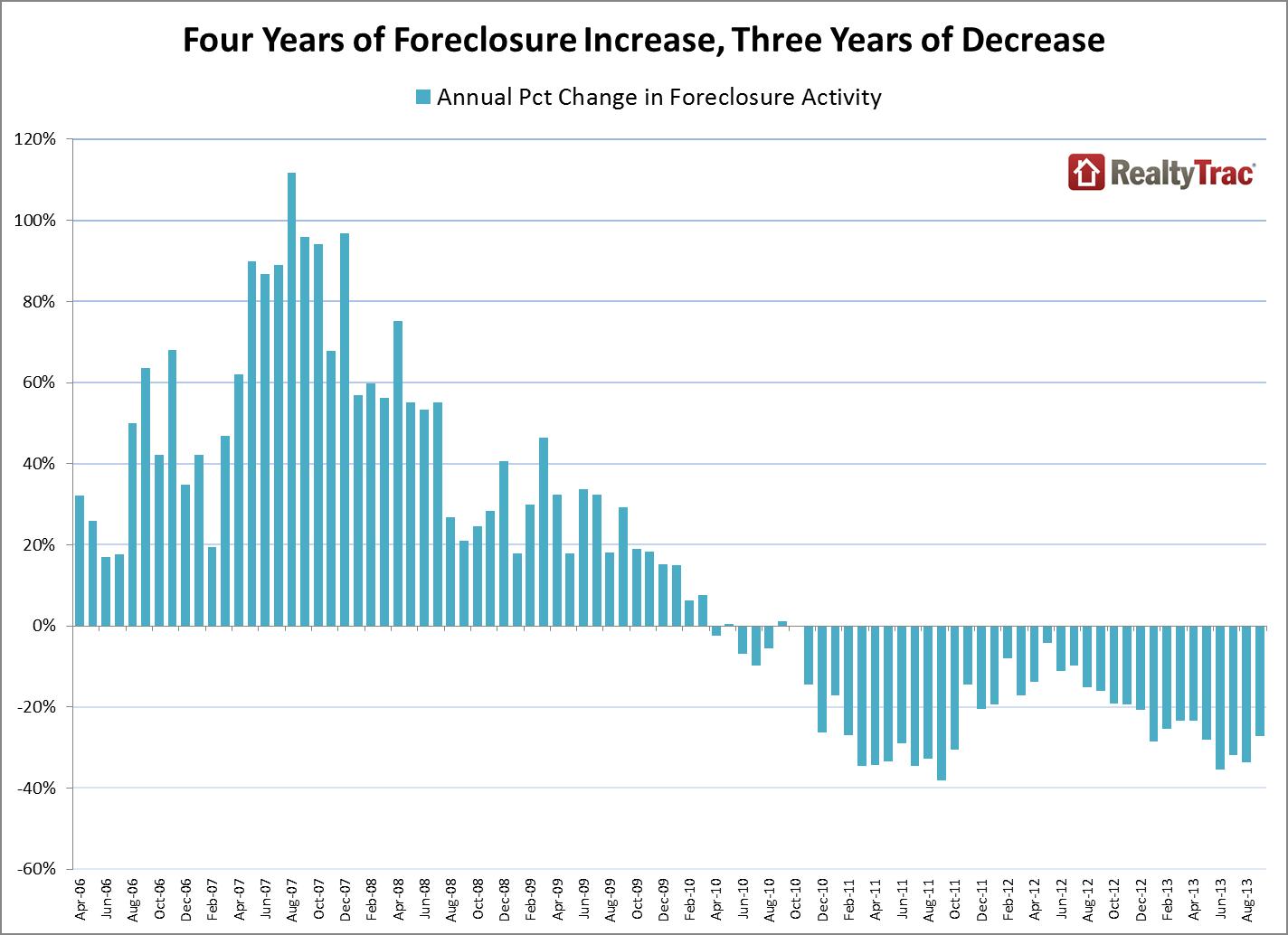

Nationally, the numbers of foreclosures decreased by nearly 40% from 2012 to 2013 and have continued to drop. With Arizona dropping 63% in that same year's time.  As of this month, foreclosure rates are reported in even lower numbers, the lowest since the housing bubble burst in 2006.  See Video When the real estate market, both local and national, began to decline there was a sharp increase in foreclosure activity.  Many families who had purchased, or refinanced during the boom found themselves in homes with payments based on values that simply no longer existed. Some options began to become available, such as loan modification and short sale, but for some, these came too late.

The stress and hardship of going through the process of either a short sale or foreclosure could leave a bad taste in anyone's mouth, add to that a suffering job economy and raising rental rates and it's wonder so many people have just stepped out of the ring when in comes to owning real estate.  During these difficult times, it may look like home owner ship is a dream of the past.  Not so fast...

As time goes by, things recover.  Many people who have owned homes in the past, now rent instead.  They still have good income and time on the job and have also maintained payments on other loans and lines of credit, such as car payments and credit cards.  Once the initial blow of the foreclosure or short sale has landed, the process of rebuilding credit can begin.  It may not take as long as most people think.  "Although time frames vary, people can purchase again in as little as one year after losing a home to foreclosure, and the same can be true with a short sale, as well", says George Seely, who works for Priority Lending. (BK0910846 NMLS0911517 142706) For some Tucsonans, this time has already passed, so it may come as a surprise to them that they could own a home again.

"Despite the ego blow, that transition time between mortgages offers a chance to save for another down payment and clean up any credit issues. Some people who've experienced foreclosure or a short sale also let other financial obligations slide out of frustration or resignation", Katz explains. "Now's the time to tackle those issues. "If you have a small collection account from a credit card, settle it," Katz says. "Take care of all the other things you can to show the underwriter that you did the best you could. That way, the delinquencies are so long ago that it shouldn't have an impact on your credit score anymore."  ...More


1st Heritage Realty

www.tucsonhomesteam.com


#1stheritagerealty #ilovemyrealtor #buyingafterforeclosure #tucsonrealestate #TREESnewsletter

July 22, 2014

Buying a Condo? Ask Some Questions!

10 Questions to Ask Your Condo Board


Buying a condominium is not quite the same as purchasing real estate.  The major difference is that you are purchasing a percentage of ownership in a whole property and not an actual piece of land.  Of course you will reside in a particular unit and you will be responsible for its upkeep and maintenance.  But you will also be buying a percentage of the common areas, including parking lots, swimming pools and club houses.  Before you buy, contact the condo board with the following questions. In the process, you'll learn how responsive and organized its members are.


1. What percentage of units is owner-occupied? What percentage is tenant-occupied?

Generally, the higher the percentage of owner-occupied units, the more marketable the units will be at resale.


2. What covenants, bylaws, and restrictions govern the property? What grandfather clauses are in place?

You may find, for instance, that those who buy a property after a certain date can't rent out their units, but buyers who bought earlier can. Ask for a copy of the bylaws to determine if you can live within them. And have an attorney review property docs, including the master deed, for you.


3. How much does the association keep in reserve? How is that money being invested?


4. Are association assessments keeping pace with the annual rate of inflation?

Smart boards raise assessments a certain percentage each year to build reserves to fund future repairs. To determine if the assessment is reasonable, compare the rate to others in the area.


5. What does and doesn't the assessment cover? ie: common area maintenance, recreational facilities, trash collection, pest protection.


6. What special assessments have been mandated in the past five years? How much was each owner responsible for? Some special assessments are unavoidable. But repeated, expensive assessments could be a red flag about the condition of the building or the board's fiscal policy.


7. How much turnover occurs in the building?


8. Is the project in litigation? If the builders or homeowners are involved in a lawsuit, reserves can be depleted quickly.


9. Is the developer reputable?

Find out what other projects the developer has built and visit one if you can. Ask residents about their perceptions. Request an engineer's report for developments that have been reconverted from other uses to determine what shape the building is in. If the roof, windows, and bricks aren't in good repair, they become your problem once you buy.


10. Are multiple associations involved in the property?

In very large developments, umbrella associations, as well as the smaller association into which you're buying, may require separate assessments.


1st Heritage Realty

www.tucsonhomesteam.com

#lovemyrealtor #1stheritagerealty #buyingacondo #tucsonhomesteam

Posted in Home Buyers
July 22, 2014

Great Questions for Your Home Inspector

10 Questions to Ask a Home Inspector


 Once you have successfully negotiated your contract and begin to forward with the purchase of your home, it is important to have the property inspected.  Generally, you will have 10 days from the contract start date to complete the inspection and then decide what, if anything, you would like the seller to address.  It is important to note that the home inspection is not the same as an appraisal and has little to do with the value of the property.  It is however, a great way to get the best idea of what you are purchasing.  A good home inspection will bring important repair and maintenance issues to your attention.  If there are any major problems or issues with the home's systems, your inspector will discover these so you will know what to expect with the house.  It is not the inspectors job to advise you about whether to purchase the property, rather, it is to give you valuable feedback on the home's condition so that you can make the best decision for yourself, based on the information in the inspector's report.  Here are some questions to help you hire the best professional for the job!

1. What are your qualifications? Are you a member of the American Association of Home Inspectors?


2. Do you have a current license? (Inspectors are not required to be licensed in every state.)


3. How many inspections of properties such as this do you do each year?


4. Do you have a list of past clients I can contact?


5. Do you carry professional errors and omission insurance? May I have a copy of the policy?


6. Do you provide any guarantees of your work?


7. What specifically will the inspection cover?


8. What type of report will I receive after the inspection?


9. How long will the inspection take and how long will it take to receive the report? 


10. How much will the inspection cost?


www.tucsonhomesteam.com

1st Heritage Realty

#tucsonrealtor #lovemyrealtor #1stheritagerealty #hireaninspector #toughquestions

Posted in Home Buyers
June 11, 2014

13 Questions to ask When Choosing a Realtor

13 Questions to Ask When Choosing a Real Estate Professional

Buying or selling a home is a big decision, and choosing the right agent makes ALL the difference.  You should never be afraid to ask tough questions, after all  you are the one doing the hiring.  Here are some suggestions!


1. How long have you been in residential real estate sales? Is it your full-time job?

While experience is no guarantee of skill, real estate, like many other professions, is mostly learned on the job.

2. Are you a REALTOR®?

Members of the National Association of REALTORS®, a trade organization of more than 800,000 members nationwide, subscribe to a stringent code of ethics that helps guarantee the highest level of service and integrity.

3. What designations do you hold?

Designations such as GRI and CRS, which require that agents take additional, specialized real estate training, are held by only about one-quarter of real estate practitioners.

4. How many homes did you and your company sell last year?

5. How many days did it take you to sell the average home? How did that compare to the overall market?

6. How close to the initial asking prices of the homes you sold were the final sale prices?

7. What types of specific marketing systems and approaches will you use to sell my home? Look for someone who has aggressive, innovative approaches, not just someone who's going to put a sign in the yard and hope for the best.

8. Will you represent me exclusively, or will you represent both the buyer and the seller in the transaction?

While it's usually legal to represent both parties in a transaction, it's important to understand where the agent's obligations lie. A good agent will explain the agency relationship to you and describe the rights of each party. It's also possible to insist that the agent represent you exclusively.

9. Can you recommend service providers who can assist me in obtaining a mortgage, making repairs on my home, and other things I need done?

Keep in mind here that agents should generally recommend more than one provider and should tell you if they receive any compensation from any provider.

10. What type of support and supervision does your brokerage office provide to you?

Having resources such as in-house support staff, access to a real estate attorney, or assistance with technology can help an agent sell your home.

11. What's your business philosophy?

While there's no right answer to this question, the response will help you assess what's important to the agent—fast sales, service, etc.—and determine how closely the agent's goals and business emphasis mesh with your own.

12. How will you keep me informed about the progress of my transaction? How frequently? Using what media?

Again, this is not a question with a correct answer, but that one reflects your desires. Do you want updates twice a week or don't want to be bothered unless there's a hot prospect? Do you prefer phone, e-mail, or a personal visit?

13. Could you please give me the names and phone numbers of your three most recent clients?

 More Tucson Agent Info

#tucsonrealtor #lovemyrealtor #1stheritagerealty #hireanagent #toughquestions


Posted in Home Sellers
June 11, 2014

8 Ways to Improve Your Credit


8 Ways to Improve Your Credit

When you get ready to buy a house, your credit will become the center of your attention, and the attention of your lender.  You may qualify for a loan based on your income but it is your credit score that will determine your rate.  The interest rate your loan is eligible is based on your credit.  This affects your monthly payment and the amount of your monthly payment determines the actual purchase price of the home you qualify for.  In what way, you may ask?  Here are a few examples:

Purchase Price of Home            Interest Rate (based on credit)              Monthly Payment (principle & interest)

150,000                                 3.0%                                                $ 610.00

150,000                                 4.0%                                                $ 691.00

150,000                                 5.0%                                                $ 777.05

You can check different scenarios on a monthly mortgage calculator here.

Some other things you can do to improve your credit are: 


 1. Check for and correct errors in your credit report. Mistakes happen, and you could be paying for someone else's poor financial management.


2. Pay down credit card bills. A best practice is to keep about 30% of your card with a balance.  Believe it or not, paying it down to zero each month does not help build up your credit score. However, transferring credit card debt from one card to another could lower your score.


3. Don't charge your credit cards to the maximum limit. Keep them at least 60% paid!


4. Wait 12 months after credit difficulties to apply for a mortgage. You're penalized less for problems after a year.


5. Don't order items for your new home you'll buy on credit, such as appliances, until after the loan is closed. The amounts will add to your debt.


6. Don't open new credit card accounts before applying for a mortgage. Having too much available credit or brand new credit can lower your score.


7. Shop for mortgage rates all at once. Too many credit applications can lower your score, but multiple inquiries from the same type of lender are counted as one inquiry if submitted over a short period of time. (usually 7 - 10 days)


8. Avoid finance companies. Even if you pay the loan on time, the interest is high and it will probably be considered a sign of poor credit management.


 More Buyer Info

#tucsonrealtor #lovemyrealtor #1stheritagerealty #improvemycredit #mycreditscore #fico

Posted in Financing a Home